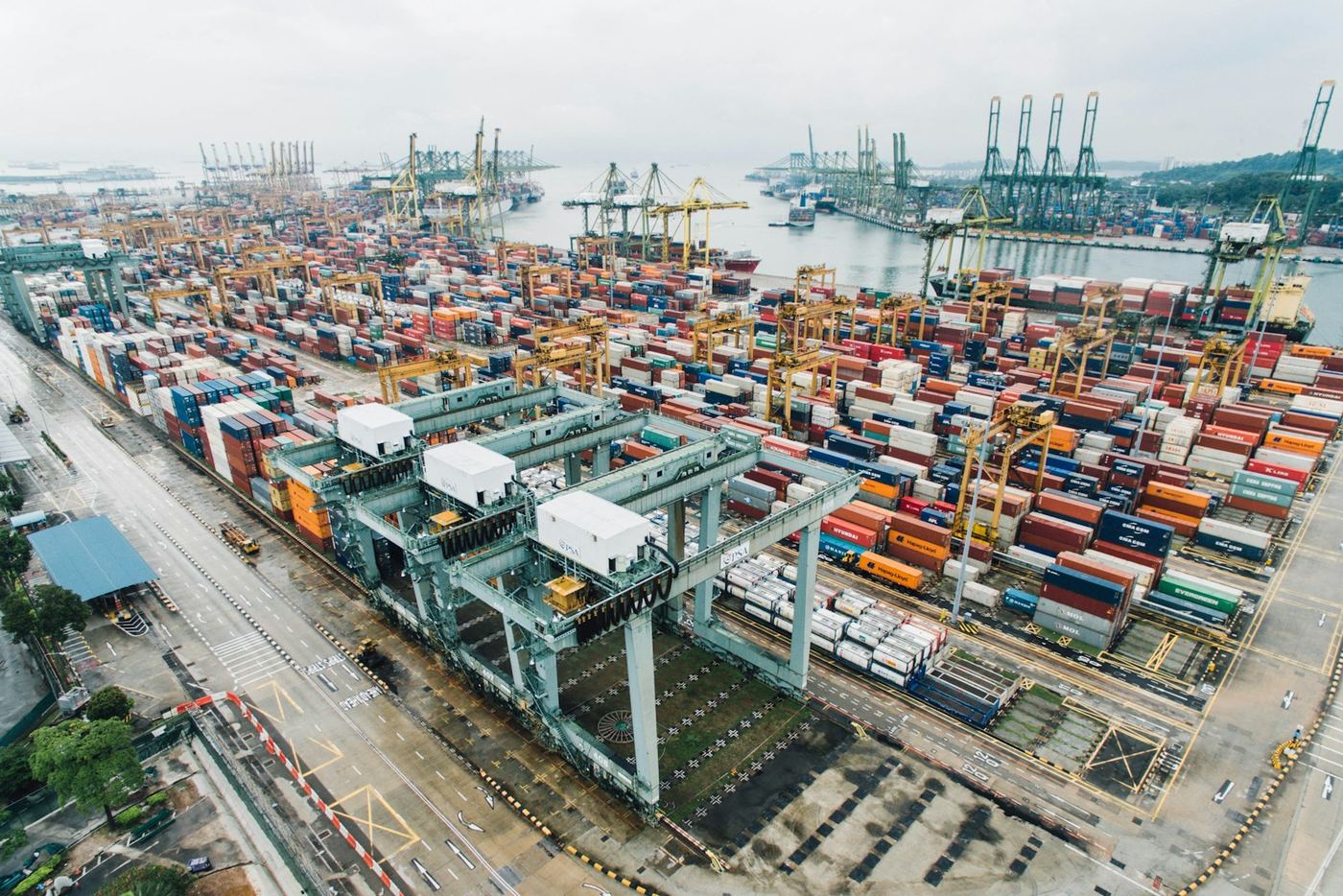
For most of the last century, the port was a place where time was wasted and everyone agreed that this was bad. Just-in-time manufacturing turned that impatience into a science. Then the pandemic turned it into a liability.
The world’s largest terminal operators are now spending billions on a different idea: deliberate redundancy. Extra berths. Empty yards. Trucks that are allowed to arrive early. It is a quiet reversal of the doctrine that made global trade cheap.
The cost of nothing happening
Slack is expensive to hold and impossible to invoice. A container yard that is 60 percent full looks inefficient on a quarterly report and resilient in a crisis. Operators are trying to persuade shareholders that the second number is the one that matters.
Efficiency is what you optimize for when you have forgotten what a shock feels like.
The early evidence is encouraging. Ports that added buffer capacity after 2021 recovered from this year’s Red Sea disruptions roughly twice as fast as those that did not. The lesson is not that congestion is good. It is that the cheapest insurance is sometimes an empty space.